
In transformation work, it is easy to focus on process maps, project plans, milestones, and deliverables. Those things matter. But over time, one lesson has continued to stand out to me: stakeholder engagement is not a side activity in transformation. In many ways, it is the work.
Across more than 15 years of transformation, continuous improvement, and change leadership, I have worked with leaders and teams across local government, healthcare, and other sectors. In each setting, the pattern has been similar. Strong ideas do not always lead to strong outcomes on their own. The organizations that make the most meaningful progress are usually the ones that engage people early, listen well, and build real ownership across the system.
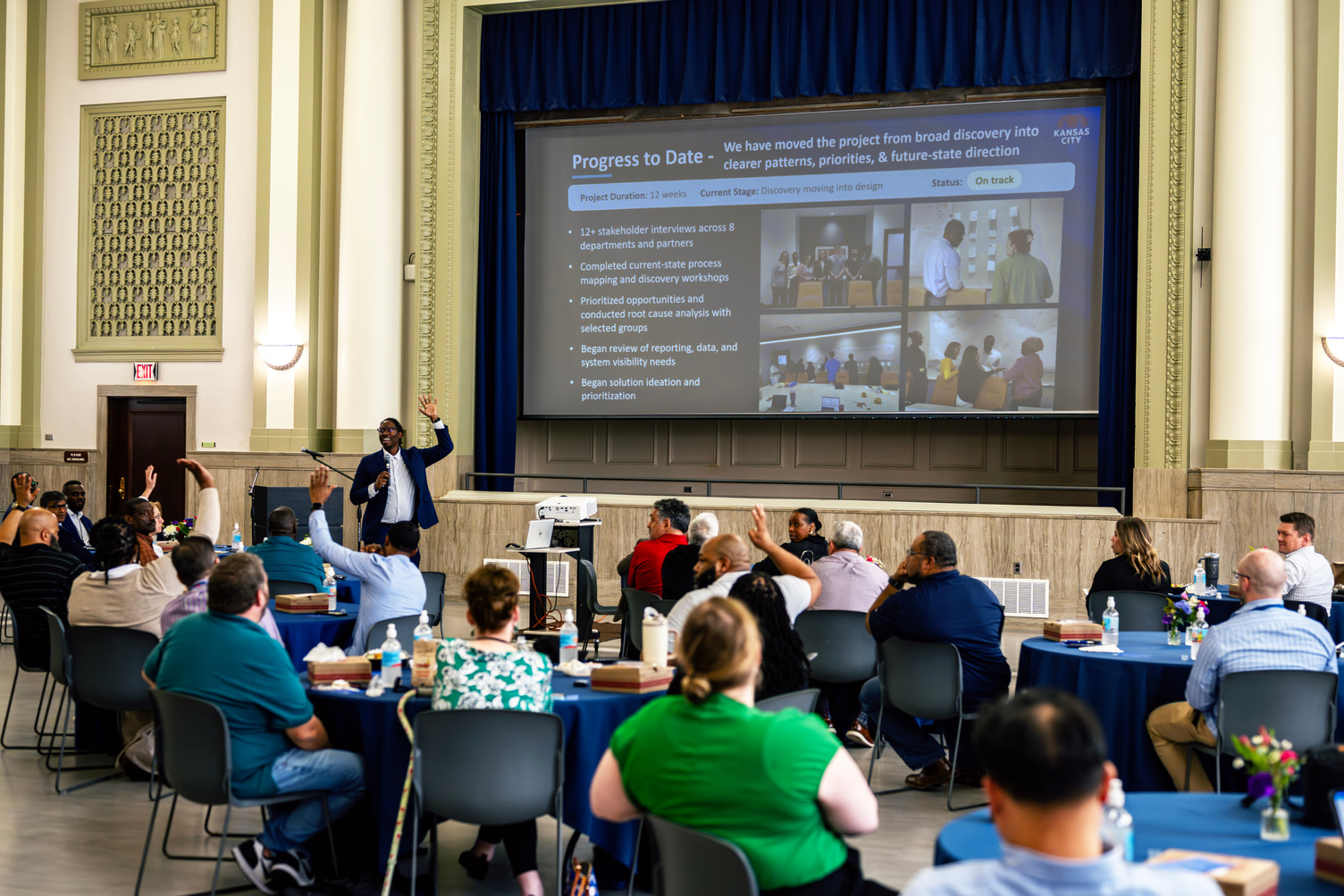
Engagement Reveals the Reality Behind the Process
One of the biggest things stakeholder engagement does is help reveal reality.
On paper, a process may look straightforward. In practice, it often includes workarounds, informal handoffs, unclear expectations, duplicate effort, and friction points that only become visible when the people closest to the work are invited into the conversation.
That is one reason engagement matters so much. It improves the quality of understanding before organizations rush into solving the wrong problem. Some of the most valuable insights I have seen in transformation work did not come from the first draft of a process map or the initial leadership hypothesis. They came from employees, managers, and cross-functional partners who could explain what really happens once the work begins moving.
Stakeholder Engagement Is More Than Communication
Another lesson I keep coming back to is that stakeholder engagement is not the same as communication.
Communication matters, but sending updates is not the same as creating engagement. Real engagement means people understand why the work matters, how it connects to them, and where their perspective fits into shaping the future state. It means creating room for people to share what is working, what is not, and what leaders may not be seeing from a distance.
Too often, organizations believe they have engaged stakeholders when they have simply informed them. That gap matters. People are much more likely to support and sustain change when they feel they were part of understanding the problem and shaping the direction forward.
Better Engagement Leads to Better Design
I have also learned that stakeholder engagement improves the quality of design.
Whether the setting is a city department, a hospital system, or a corporate support function, the people doing the work every day often have the clearest view of the practical barriers, unintended consequences, and opportunities for simplification. They understand where handoffs break down, where expectations become unclear, and where effort is being spent without enough value in return.
When leaders bring those perspectives in early, the resulting design is usually more grounded, more realistic, and more likely to succeed. In my experience, transformation efforts become stronger when engagement cuts across levels, roles, and functions instead of staying limited to a small decision-making circle.
Engagement Builds Confidence, Not Just Buy-In
Stakeholder engagement also plays an important role in building confidence.
Change often creates uncertainty. People want to know what is changing, why it matters, and how decisions are being made. Strong engagement helps reduce that uncertainty by creating more visibility and shared understanding. It helps people feel that change is being shaped with them, not simply handed to them.
That does not mean every stakeholder will agree with every decision. But it does mean the process feels more credible, more thoughtful, and more transparent. In transformation work, that confidence matters because it affects readiness, trust, and the willingness of people to carry the change forward.
Timing Matters More Than Many Leaders Realize
One of the most overlooked aspects of stakeholder engagement is timing.
Too often, organizations bring people in after the direction has already been set. By then, the conversation is no longer really about engagement. It is about reaction.
The best engagement I have seen happens early enough to influence understanding, shape priorities, and improve decisions before the future state is locked in. It continues as the work moves from discovery into design and from design into implementation. Sustained engagement is what turns initial participation into ongoing ownership.
Stakeholder Engagement Is a Leadership Discipline
At its best, stakeholder engagement does more than support a project. It strengthens leadership.
It helps leaders listen more clearly, make better decisions, anticipate resistance earlier, and build broader commitment around the path forward. In that sense, stakeholder engagement is not just a project discipline. It is a leadership discipline.
That is probably the lesson I keep coming back to most. Sustainable transformation is not built by process alone. It is built by people who are informed, involved, and connected to the future they are being asked to help create.