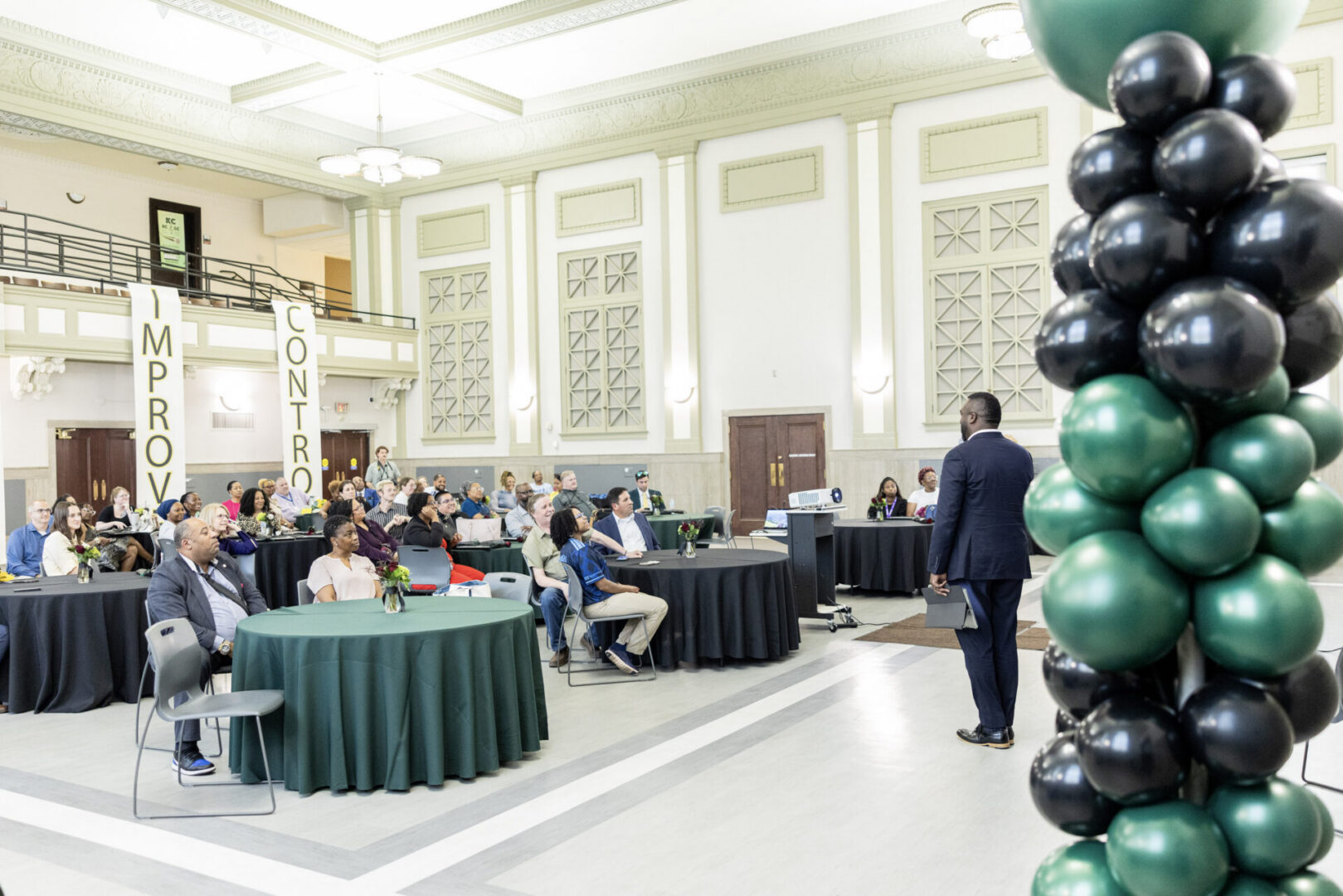
Seventeen City employees completed an applied transformation journey designed to build problem solving capability from within.
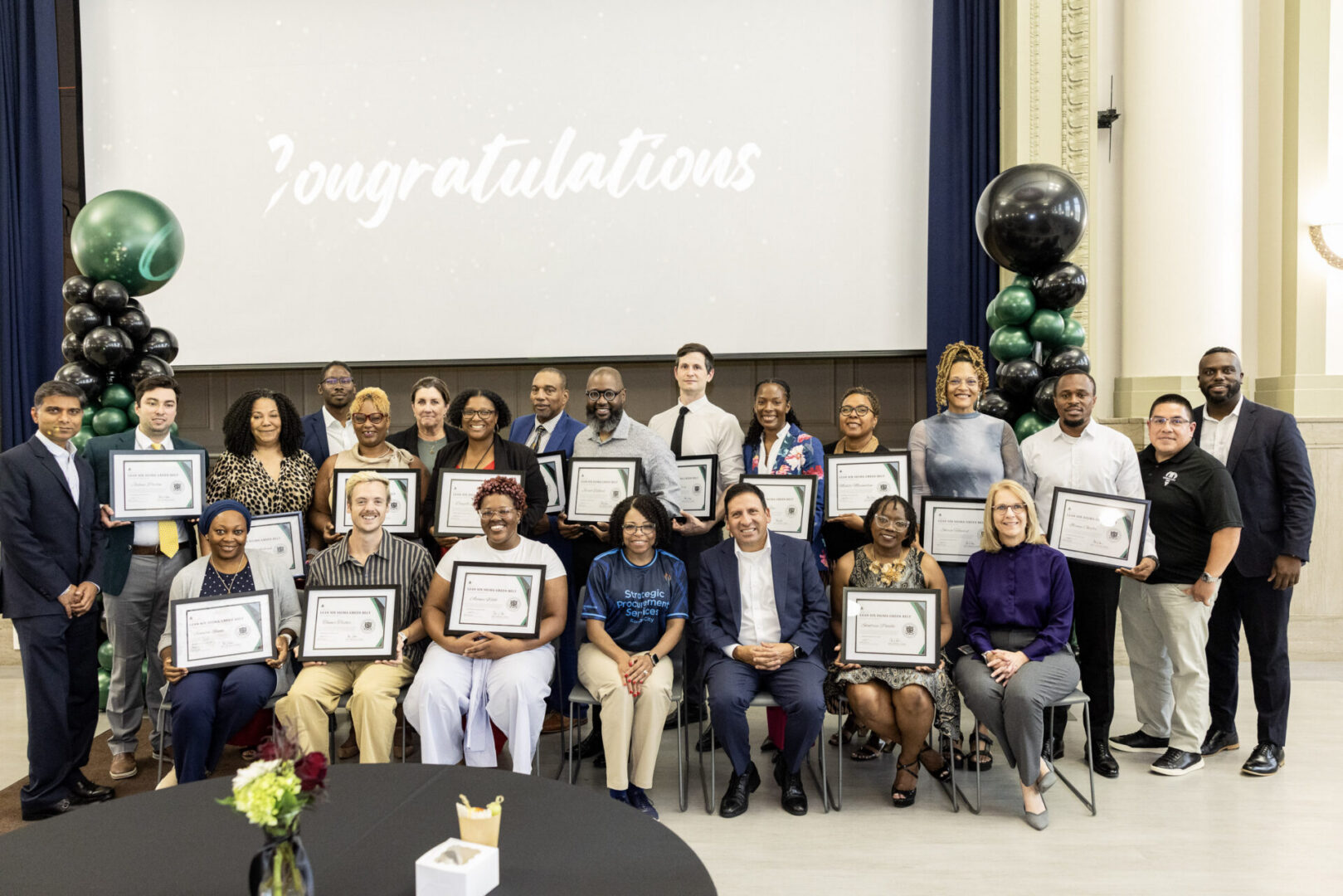
A graduation ceremony typically marks the end of a learning experience.
For 17 employees at the City of Kansas City, Missouri, this one represented something more.
After completing intensive training, applying new skills to real operational challenges, working through structured project milestones, receiving coaching, and successfully completing certification requirements, members of KCMO’s first Business Transformation Leadership Green Belt cohort came together to celebrate their accomplishment.
Every candidate successfully completed the program.
But the certificates only tell part of the story.
Behind them were real City processes, real organizational challenges, and employees who were learning not simply how to understand continuous improvement, but how to lead it.
Building Capability From Within
Like many municipal organizations, KCMO operates in an environment where expectations continue to grow.
Residents expect responsive services. Employees need processes that allow them to work effectively. Leaders are balancing competing priorities, limited resources, technology changes, and opportunities to modernize how the City operates.
Addressing those challenges cannot always depend on launching another major initiative or bringing in outside resources.
Organizations also need people inside the organization who know how to improve the work.
That was an important part of the vision behind KCMO’s first Green Belt cohort.
Through DMC’s Business Transformation Leadership program, employees were introduced to structured problem solving methodologies and practical tools for understanding processes, using data, identifying root causes, engaging stakeholders, developing solutions, and sustaining improvements.
The objective extended beyond earning a certification.
It was about building internal transformation capability.
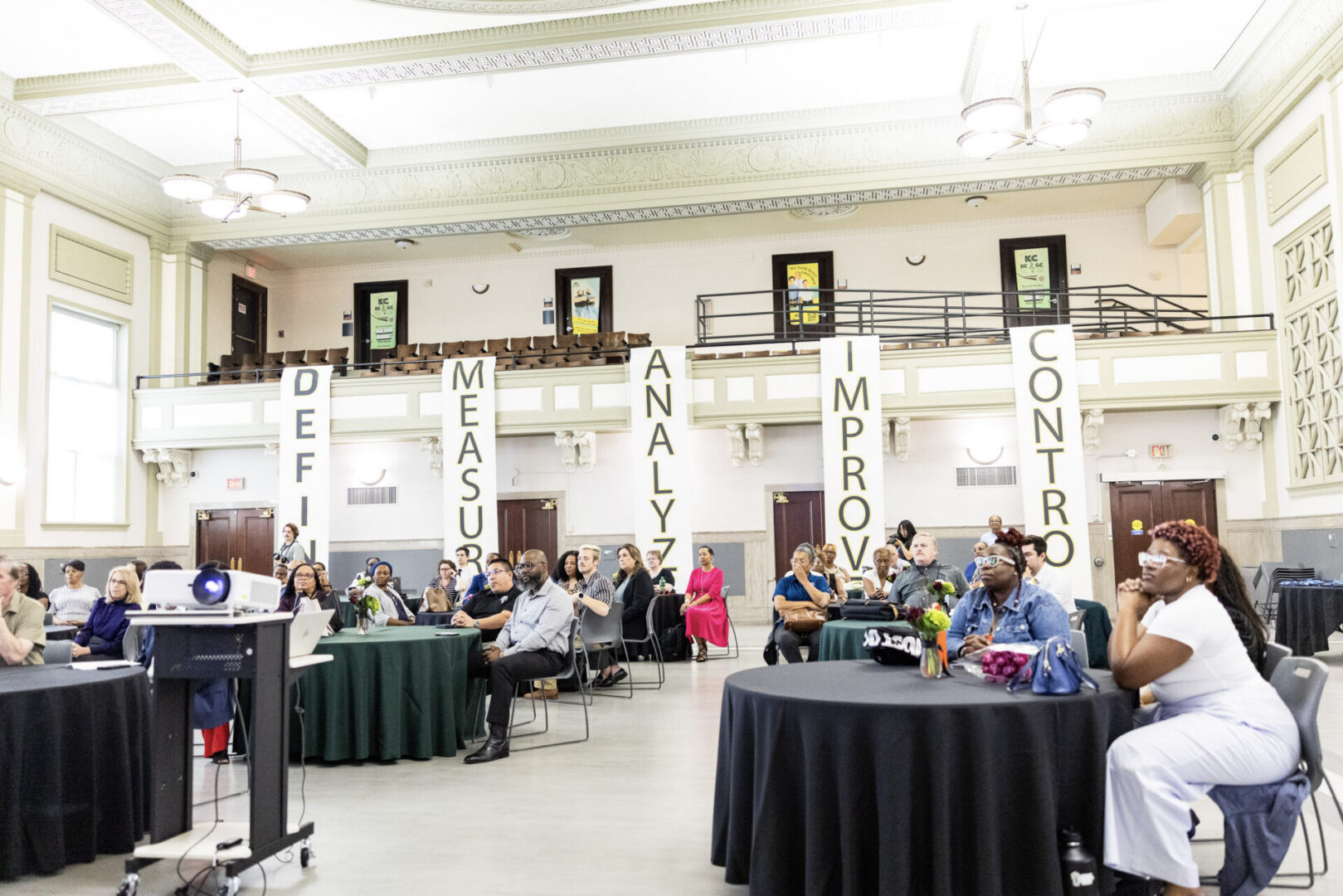
Learning Was Only the Beginning
The cohort began with four days of intensive Green Belt training.
But the classroom was only the starting point.
Participants then transitioned into an applied project experience where they used what they had learned to address actual opportunities within City operations.
Over the following weeks, participants progressed through structured project phases and tollgates, participated in cohort touchpoints, received coaching, prepared project updates, and worked with sponsors and stakeholders to move their improvement efforts forward.
That application matters.
It is one thing to learn how to map a process or conduct root cause analysis in a classroom.
It is something very different to return to your organization, bring stakeholders together, navigate competing perspectives, analyze an actual process, determine what is really causing a problem, and help people change the way work gets done.
That is where knowledge begins becoming capability.
Real Employees. Real City Challenges.
One of the strengths of KCMO’s first cohort was the variety of challenges participants brought into the program.
Projects touched different parts of City government and demonstrated how the same improvement principles can be applied across very different municipal functions.
Participants worked on opportunities that included improving Procurement intake, strengthening employee onboarding, enhancing maternal and child health referral processes, improving GFE investigation processes, and strengthening approaches related to vendor performance and feedback.
The subject matter varied, but the underlying questions were remarkably similar.
- Where is the process breaking down?
- What do the people who use the process experience?
- What does the data tell us?
- What is causing the problem rather than simply appearing as a symptom?
- And what changes can make the process work better?
Those are questions that can be asked in nearly every department of a city.
That is also what makes building internal improvement capability so powerful.
Transformation Is a Leadership Skill
Lean Six Sigma is often associated with tools, process maps, data, and methodology.
Those things matter.
But sustainable transformation requires something else: leadership.
Improvement leaders have to bring people into the process. They have to listen to employees and stakeholders who experience the work differently. They have to challenge assumptions without dismissing institutional knowledge. And they have to help move an organization from identifying a problem to actually doing something about it.
That is why DMC’s Business Transformation Leadership program combines process improvement methodology with the practical realities of leading change.
For KCMO participants, their projects became an opportunity to practice those skills in the environment where they ultimately matter most: their own organization.
Seventeen New Green Belts. One Larger Investment.
At graduation, all 17 participants had successfully completed the requirements of the program.
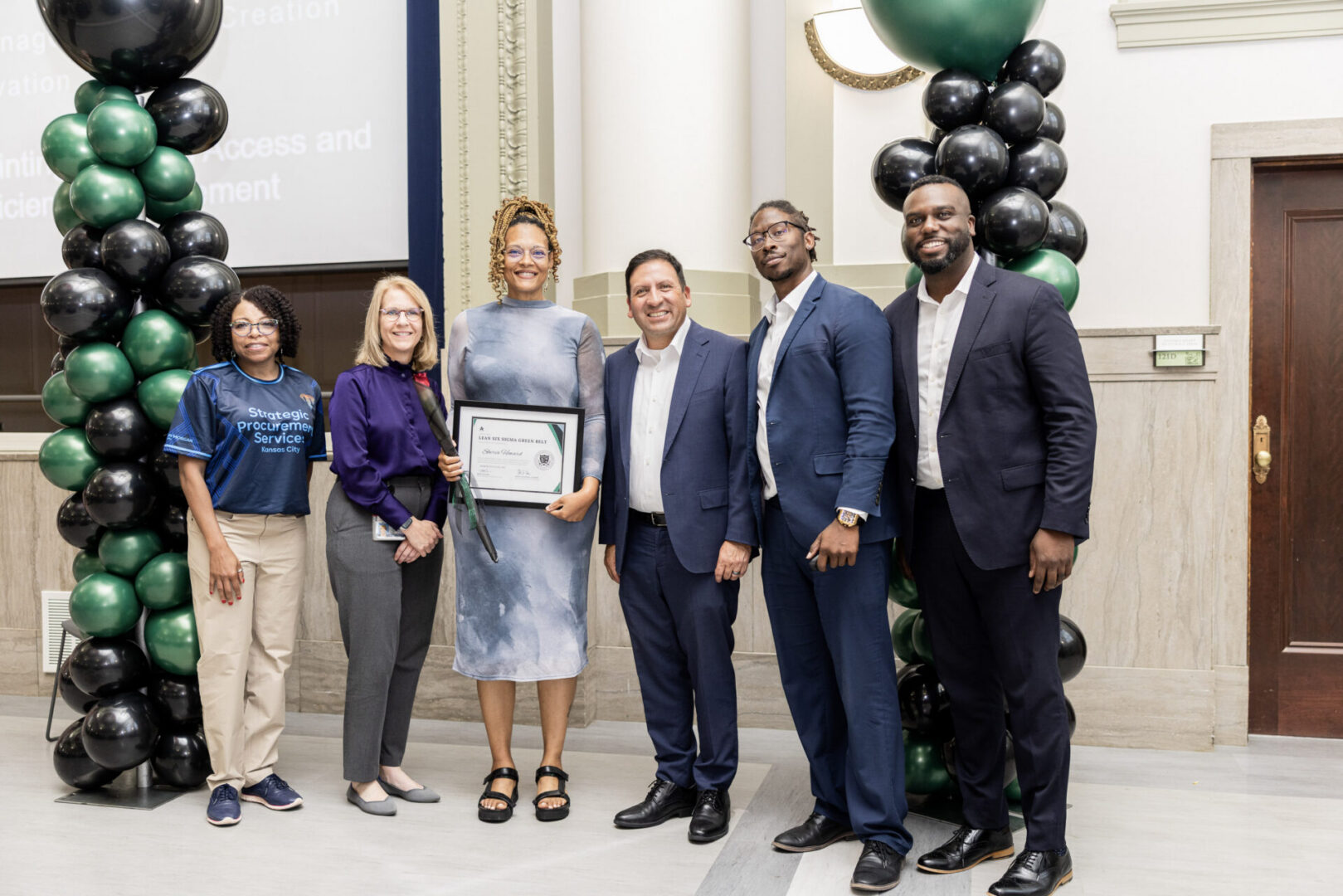
City leadership joined in recognizing the cohort, including City Manager Mario Vasquez, whose participation reinforced the importance of the accomplishment and the City’s broader investment in developing its people.
The moment was worth celebrating.
Participants had invested significant time and effort in developing new skills while continuing to fulfill their responsibilities to the City. Sponsors, leaders, coaches, and colleagues had also contributed to helping projects move forward.
But perhaps the most significant outcome was not what happened at graduation.
It is what happens afterward.
KCMO now has a group of employees who have been exposed to a common improvement methodology and have experience applying it to real City challenges.
They return to their departments with a different set of questions, tools, and experiences.
That capability stays within the organization.
The Multiplier Effect of Developing Internal Problem Solvers
Seventeen Green Belts will not transform an organization the size of Kansas City overnight.
Nor should they be expected to.
The greater opportunity is the multiplier effect that occurs when organizations begin developing people throughout the workforce who know how to recognize and lead improvement.
- A Green Belt can improve a process.
- They can also help a colleague think differently about a problem.
- They can facilitate a conversation that gets beyond symptoms.
- They can introduce data where decisions have historically relied on assumptions.
- They can help a team see waste that has gradually become accepted as normal.
- And they can carry those capabilities from one project to the next.
Over time, that begins to change more than individual processes.
It can begin to change how an organization solves problems.
Celebrating the First Cohort and What Comes Next
DMC was proud to partner with Kansas City, Missouri, in developing and supporting its first Business Transformation Leadership Green Belt cohort.
The graduation represented an important milestone for the 17 employees who completed the journey, but it also represented something larger for the City: another step toward creating sustainable transformation capability from within.
The projects will continue to produce lessons.
The participants will continue applying what they learned.
And the City’s investment in its people has the opportunity to extend well beyond this first cohort.
Because ultimately, the goal of transformation should not be to create an organization that always needs someone else to solve its problems.
It should be to build an organization increasingly capable of solving them itself.
What City Leaders Should Take Away
Municipal transformation is often discussed in terms of major projects, technology investments, reorganizations, and strategic initiatives. Those can all be important.
But there is another form of infrastructure that cities must build:
the capability of their people.
When employees are equipped with structured problem solving skills and given opportunities to apply them to meaningful organizational challenges, professional development can become much more than training.
It becomes an investment in organizational performance.
KCMO’s first Green Belt cohort demonstrates what that can look like: develop people, apply the learning to real work, support them through implementation, and allow that capability to remain and grow within the organization.
That is how a graduation can become the beginning of something much bigger.